The Evolution of Yacht Ownership: Trends Shaping the Future in 2026
The Evolution of Yacht Ownership: Trends Shaping the Future in 2026
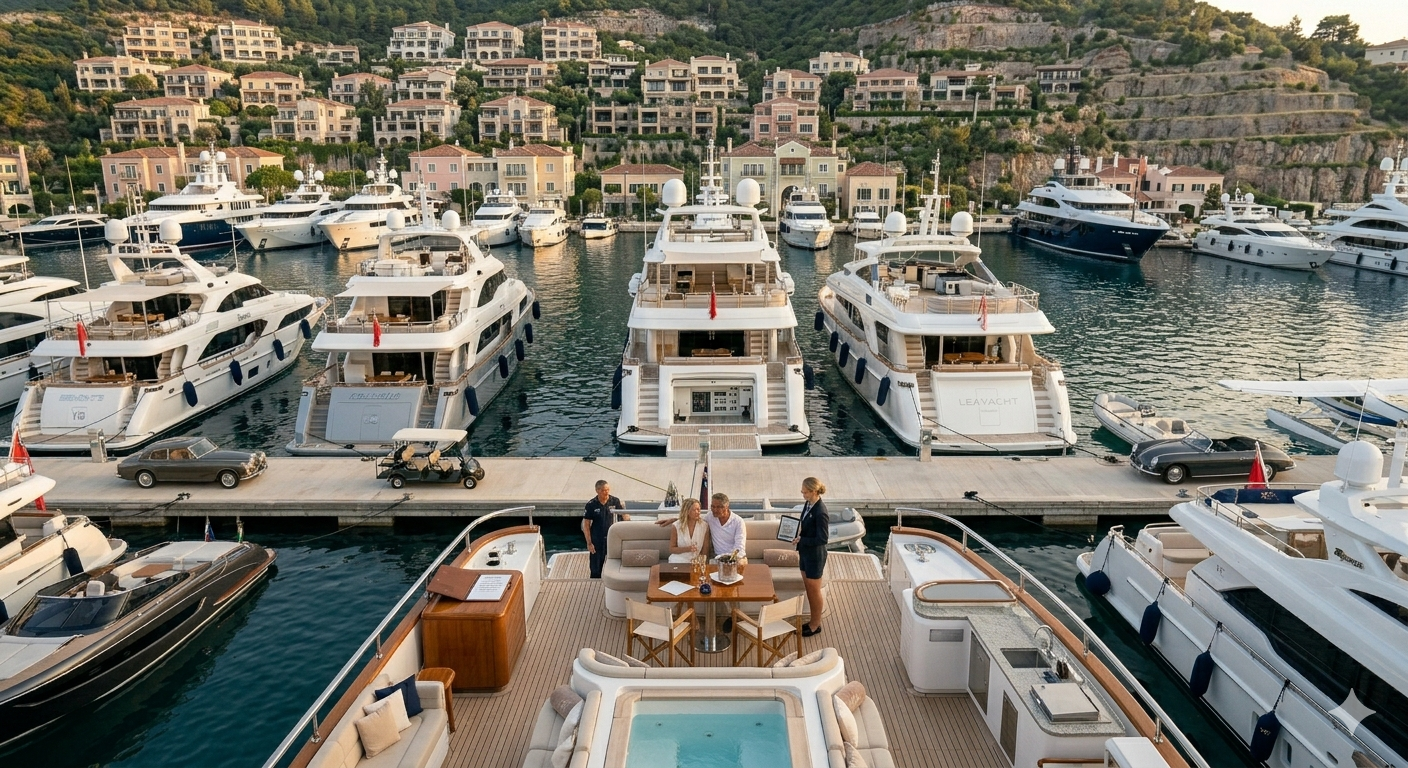
In the heart of the Mediterranean, a sleek yacht named "Aurora" gently sways at her moorings in a bustling marina. However, unlike many of her peers, Aurora is not the cherished possession of a single owner. Instead, she represents a growing trend in the yachting world: fractional ownership. This model, akin to a luxury timeshare, has been gaining momentum in recent years, reshaping the landscape of yacht ownership and capturing the interest of a new generation of buyers.
The allure of yachting has always been laced with dreams of luxury and freedom, but the realities of ownership—financial burdens, maintenance woes, and environmental concerns—have prompted a reevaluation of what it means to possess a yacht. The current decade heralds a shift as innovative models, fueled by digital technology and sustainability, redefine the yachting experience.
Fractional Ownership: Sharing the Dream
Imagine standing on the deck of a pristine yacht, the sun setting in a glorious blaze on the horizon, knowing that you can enjoy these moments without the full commitment of ownership. This is the promise of fractional ownership—a model that allows multiple stakeholders to share the financial and operational responsibilities of a yacht. For many, this is a perfect middle ground, offering the joys of yachting without the associated headaches.
A recent surge in interest is evident, driven by a combination of economic pragmatism and lifestyle flexibility. As noted by YachtWorld, this model appeals especially to younger buyers who value experiences over assets. The concept isn't new, but its application in the luxury maritime world is creating waves, offering access to high-end yachting that was previously out of reach for many.
Digital Platforms: Revolutionizing Yacht Transactions
In a world where technology touches every aspect of life, the yachting industry is no exception. Digital platforms have emerged as pivotal tools, transforming how yachts are bought, sold, and managed. Platforms like Boat International facilitate these transactions with unprecedented ease, making yacht ownership more accessible and transparent.
These platforms go beyond mere marketplaces. They provide comprehensive management tools, from maintenance scheduling to crew hiring, essentially digitizing the yachting experience. For new buyers, these digital solutions simplify the perceived complexity of yacht ownership, offering a seamless, user-friendly entry into the maritime world.
Sustainability: Steering the Future of Yachting
The discussion around climate change and environmental responsibility has permeated every industry, and yachting is no exception. As highlighted by Superyacht News, sustainability is becoming a key factor in ownership decisions. Eco-friendly designs, alternative fuels, and efficient technologies are no longer optional but expected by discerning buyers.
Prospective owners are increasingly prioritizing sustainability, not only due to regulatory pressure but also as a reflection of personal values. This shift is encouraging innovation, with builders exploring green technologies and materials that minimize the environmental footprint of yachts.
Economic Considerations: Navigating the Market
The economic landscape plays a crucial role in shaping yacht ownership trends. As financial markets fluctuate, so do the appetites for luxury assets. Current trends indicate a rising interest in financing options that make yacht ownership viable for a broader audience.
The introduction of flexible financing and insurance products has democratized access to yachting, encouraging a more diverse group of buyers. This inclusivity is reshaping the market, making it more resilient and adaptable to global economic changes.
Successful Case Studies: Models for the Future
Consider the story of "Serenity," a yacht owned through a fractional model that includes a diverse group of stakeholders from across the globe. This arrangement not only reduces costs but also fosters a sense of community among owners. The yacht's management is streamlined through a digital platform, ensuring efficient operations and maintenance.
This model, reflecting both economic sensibility and technological integration, demonstrates a practical approach to modern yacht ownership. It hints at a future where the barriers of entry are lower, and the joys of yachting are more widely shared.
Frequently Asked Questions
What is fractional yacht ownership?
Fractional yacht ownership is a model where multiple parties share the ownership and costs of a yacht, thus reducing the individual financial burden and maintenance responsibilities.
How do digital platforms aid in yacht ownership?
Digital platforms facilitate buying, selling, and managing yachts, offering tools for maintenance, crew management, and financial tracking, simplifying the ownership process.
Why is sustainability important in yacht ownership?
Sustainability is crucial as it addresses environmental concerns, meets regulatory standards, and aligns with the personal values of many new buyers, influencing their decisions.
Conclusion
The evolution of yacht ownership reflects broader cultural and economic shifts, emphasizing shared experiences, digital integration, and environmental responsibility. As we navigate this changing tide, one thing is clear: the future of yachting belongs to those who embrace these innovative models. Whether through fractional ownership or digital management, the barriers to entry are lowering, inviting a new wave of maritime enthusiasts to explore the open waters.