Sailing Green: The Rise of Sustainable Technologies in the Yacht Industry
Sailing Green: The Rise of Sustainable Technologies in the Yacht Industry
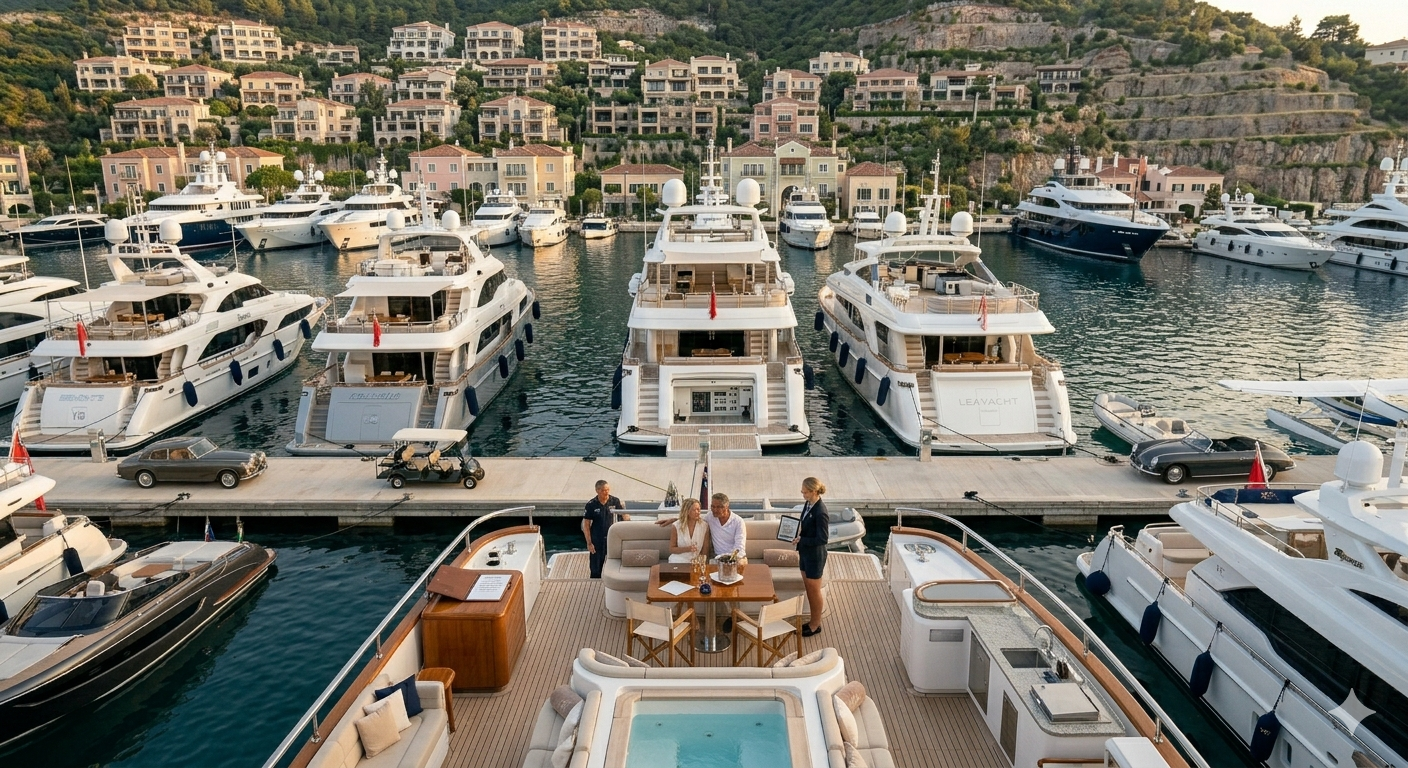
In 2026, as I stepped onto the deck of a newly launched eco-friendly superyacht, I was struck by the quiet hum of its electric propulsion system—a sound drastically different from the throaty roar that used to symbolize power on the seas. This yacht, a brainchild of a forward-thinking design team, is emblematic of a revolution sweeping through the yachting world—one that prioritizes sustainability without sacrificing luxury.
The push towards sustainable technologies in yachting isn't merely a trend; it's a transformation driven by necessity and innovation. With the ongoing environmental crisis looming larger than ever and regulations tightening globally, the luxury yacht industry finds itself at a pivotal crossroads. The sector is tasked with marrying opulence and ecological responsibility, and the progress seen today is a testament to the industry's agility and commitment.
Navigating the New Green Waters
The current landscape of sustainable yacht technologies is diverse and dynamic, featuring advancements that are as varied as they are innovative. At the forefront are renewable energy sources, chiefly solar and wind power, which are becoming increasingly prevalent in yacht operations. In place of traditional diesel engines, many new yachts are fitted with hybrid propulsion systems. These systems not only reduce emissions but also enhance performance by combining clean energy with conventional energy sources.
Consider the case of the 60-meter sailing yacht, "Ethereal", which harnesses both solar panels and a sleek, efficient hull design to minimize its environmental footprint. Such examples illustrate how renewables are not just feasible in modern yachting but are becoming the new standard.
Rethinking Materials: From Hull to Deck
Beyond energy, the materials used in yacht construction play a critical role in sustainability. Recent innovations have led to the development of eco-friendly materials that do not compromise durability or aesthetic appeal. Composite materials, derived from recycled or bio-based sources, are now commonly used. Not only are these materials lighter—thus improving fuel efficiency—they also reduce the reliance on non-renewable resources.
Leading yacht builders are incorporating sustainably sourced woods and non-toxic finishes, pushing the envelope of what is possible. For example, "Solaris" yachts have started using flax fiber and bio-resin composites, offering a sustainable alternative without sacrificing structural integrity.
Setting Sail with Sustainable Leaders
Several yacht manufacturers have emerged as pioneers in the shift towards sustainability. Companies like Feadship and Lürssen are setting benchmarks with their eco-conscious designs. Feadship's "Savannah" is heralded as the first true hybrid superyacht, utilizing a striking combination of diesel and electric propulsion.
Such advancements are not restricted to new builds. The refitting of older yachts with sustainable technologies is gaining traction, offering current owners the opportunity to upgrade and reduce their environmental impact. This retrofitting trend is indicative of a broader change where the entire lifespan of a yacht is considered in terms of sustainability.
The Future: Charting a Course for Green Ownership
As we look to the future, sustainability in yacht ownership and chartering seems poised to become the norm rather than the exception. An increasing number of owners are demanding yachts that reflect their personal values of environmental stewardship. The charter market, too, is responding to this shift, with operators offering eco-friendly charter options that appeal to conscientious luxury travelers.
The integration of artificial intelligence and smart technology is further enhancing operational efficiencies. Real-time data analytics can optimize routes for fuel savings, and predictive maintenance systems reduce waste and prolong engine life.
Frequently Asked Questions
What are the main sustainable technologies in yachting today?
Hybrid propulsion systems, solar panels, and eco-friendly materials are at the forefront of sustainable yacht technologies.
How does renewable energy impact yacht operations?
Renewable energy reduces emissions, lowers operational costs, and enhances performance, making yachts more environmentally friendly.
Are older yachts being updated with sustainable technologies?
Yes, retrofitting older yachts with new sustainable technologies is increasingly common, extending their life and reducing environmental impact.
Conclusion
The yacht industry is navigating an era where luxury and sustainability are interwoven like never before. As innovative technologies continue to evolve, the possibilities for more responsible yachting expand in tandem. Whether through renewable energy adoption, sustainable materials, or forward-thinking design, the industry is demonstrating that luxury and environmental consciousness can sail hand in hand. As we move forward, the commitment to green yachting is not just a passage through calm waters—it is the very compass guiding the future of maritime leisure.