Sailing Green: The Evolution and Future of Sustainable Yachting
Sailing Green: The Evolution and Future of Sustainable Yachting
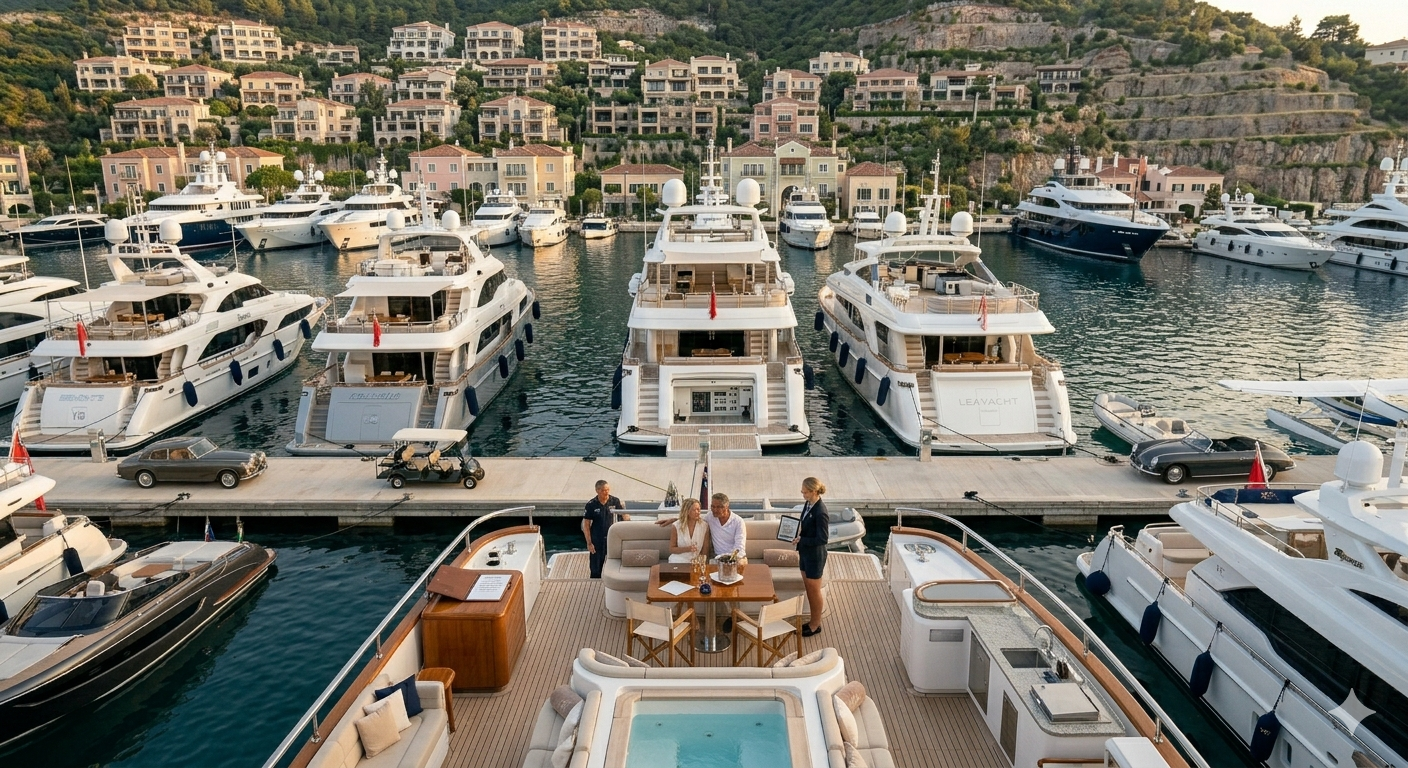
Picture this: a sleek, modern yacht gliding silently through the azure waters of the Mediterranean, its sails harnessing nothing but the wind. As it skims the waves, the only sound is the gentle lapping of water against the hull. This isn't a vision from a distant future—it's a reality that's steadily becoming the norm in the world of luxury yachting, driven by an urgent need to marry opulence with ecological responsibility.
The yachting industry, once synonymous with indulgence and environmental disregard, is undergoing a profound transformation. In recent years, the call for sustainability has resonated across the globe, reaching the decks of luxury yachts. As the world becomes increasingly aware of climate change and its impacts, yacht owners, manufacturers, and travelers alike are re-evaluating their roles and responsibilities within this paradigm.
The Rise of Eco-Conscious Voyaging
The shift towards sustainable yachting is not just a trend—it's a testament to the changing values of consumers and industry leaders. Today, yacht buyers and charter clients are more discerning, often prioritizing environmental credentials over sheer luxury. This demand is reshaping the market, pushing manufacturers to innovate with greener technologies and materials.
One significant shift is in the propulsion systems. Hybrid and fully electric engines are being adopted more widely, reducing the reliance on traditional diesel power. These systems are quieter, more efficient, and notably reduce emissions, aligning with international maritime regulations aimed at curbing pollution. Solar panels, once a novelty, are now a common sight on many superyachts, providing a renewable energy source that complements these innovations.
Pioneering Technologies in Yacht Design
Yacht design is witnessing a renaissance of sorts, fueled by cutting-edge technologies that enhance sustainability. Companies like Sunreef Yachts and Feadship are leading the charge, creating vessels that are not only luxurious but also environmentally friendly. For instance, Sunreef's Eco range utilizes composite solar panels integrated into the hull and superstructure, allowing for energy independence and reduced carbon footprints.
Moreover, advancements in materials science have brought about the use of lighter, more sustainable materials. Composite materials, which are durable and require less energy to produce, are becoming more prevalent. These materials contribute to significant weight savings, leading to lower fuel consumption and higher efficiency.
Trailblazers in Sustainable Yachting
Several yacht manufacturers are setting benchmarks for sustainability. Take the 2025-launched "Aqua" by Sinot Yacht Architecture & Design—a hydrogen-powered superyacht that represents a new era of green yachting. Aqua uses liquid hydrogen for propulsion, which when used in fuel cells, emits only water, offering a glimpse into a zero-emissions future.
Another notable example is the "Savannah" by Feadship, the world’s first hybrid superyacht, which combines a single diesel engine with three gensets, a battery pack, and an electrically driven propeller, achieving up to 30% fuel savings.
Driving Forces: Regulation and Consumer Demand
The push for sustainability is not happening in a vacuum. Regulations are tightening, with international bodies like the International Maritime Organization (IMO) setting ambitious goals to halve greenhouse gas emissions by 2050. These regulations are compelling the industry to adapt, driving technological advancements and encouraging sustainable practices.
Consumer demand is equally influential. A growing segment of yacht owners and charter clients are millennials, a demographic known for its environmental consciousness and desire for authentic, responsible experiences. As their influence grows, so does the pressure on the industry to provide sustainable options.
The Road Ahead: Sustainability in the Yacht Market's Future
Looking towards the future, sustainable yachting is set to become even more integral to the industry. As technology continues to advance, the possibilities for creating completely carbon-neutral yachts are becoming more feasible. Innovations like biofuel engines, enhanced battery storage technologies, and even wind-assisted propulsion systems are on the horizon, promising to revolutionize the way yachts are built and operated.
This green transition is not just about compliance or consumer satisfaction; it's about preserving the very landscapes that make yachting so appealing. The pristine waters and vibrant marine life that yachters cherish are at stake, and the industry is recognizing its responsibility to protect these treasures.
Frequently Asked Questions
What are the latest trends in yacht sustainability?
The latest trends include hybrid and electric propulsion systems, solar energy integration, and the use of lightweight sustainable materials in yacht construction.
How are regulations influencing sustainable practices in yachting?
Tightening regulations by international bodies are pushing the industry to adopt greener technologies and reduce emissions, aligning with global environmental goals.
Can yachts be truly eco-friendly?
While achieving complete eco-friendliness is challenging, significant strides are being made with innovations like hydrogen fuel cells and solar power, bringing the vision closer to reality.
Conclusion
As we sail into a future where luxury and sustainability are no longer mutually exclusive, the yacht industry stands at the helm of a green revolution. With the marriage of high-tech innovation and environmentally conscious practices, the yachting world is poised to navigate new waters—ones that promise both the thrill of adventure and the assurance of ecological stewardship. The voyage towards a sustainable yachting future has begun, and it's a journey well worth embarking upon.