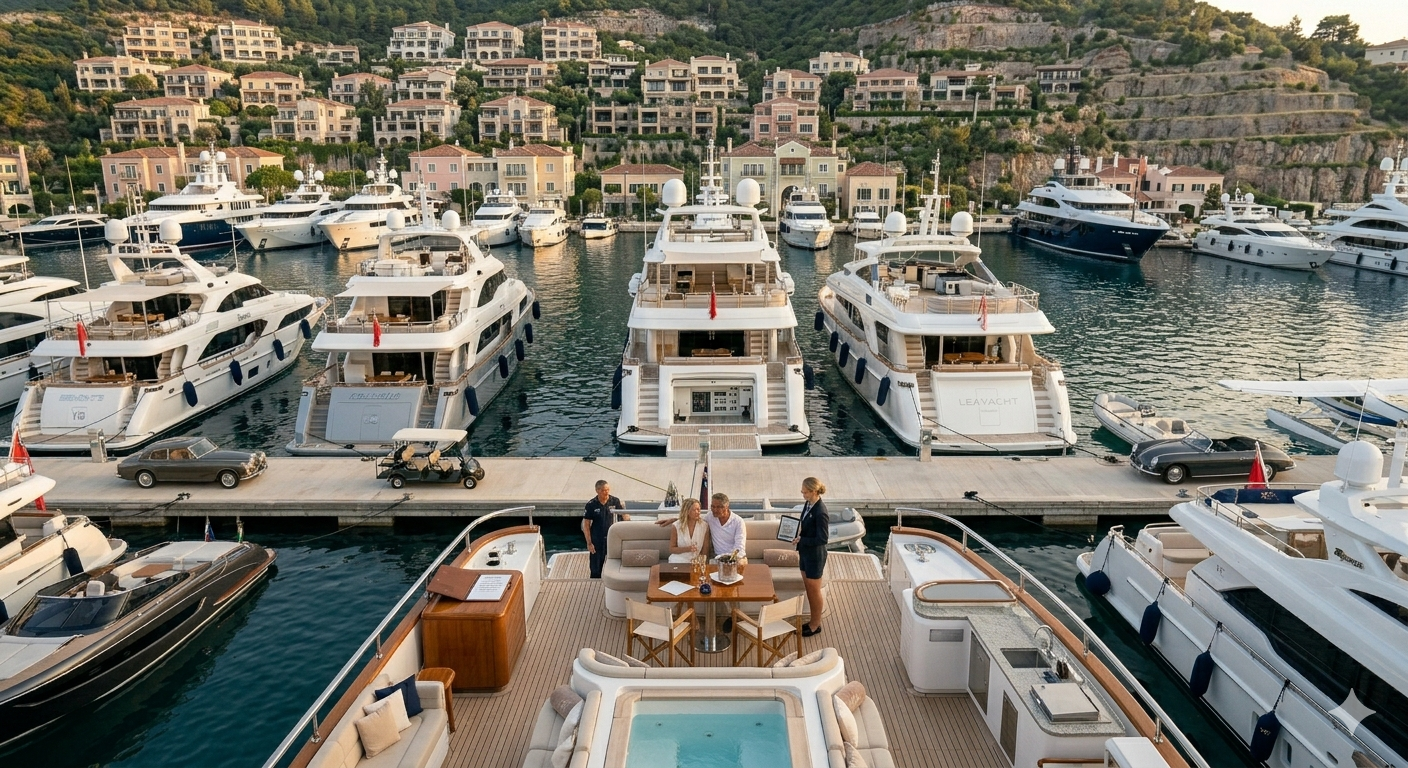
The Rise of Regenerative Yachting: Innovations for a Sustainable Future
The Rise of Regenerative Yachting: Innovations for a Sustainable Future
The Mediterranean sun glints off the polished teak deck of the Terra Nova, a state-of-the-art superyacht quietly slicing through the azure waters near Corsica. Unlike its predecessors, this yacht is more than just a floating palace of opulence. It embodies a new era in maritime travel—regenerative yachting—a movement that seeks not just to minimize harm to the ocean, but to actively improve its health. This isn’t merely an environmental trend; it’s a revolution redefining what luxury yachting means.
In recent years, the luxury yacht industry has been turning its gaze towards sustainability. But regenerative yachting takes this a step further, focusing on enhancing the natural environment rather than merely sustaining it. This shift is driven by a realization: the health of the oceans directly impacts the quality of our yachting experiences. If we wish to continue enjoying the boundless beauty and biodiversity of the seas, we must give back as much as we take.
With the global yacht market expected to grow significantly in the coming decade, understanding and integrating regenerative practices could be crucial. From pioneering eco-friendly technologies to innovative yacht designs, the industry is embracing a future where luxury and sustainability sail hand in hand.
Redefining Yachting: The Principles of Regeneration
To grasp the concept of regenerative yachting, one must first understand its core principles. Unlike conventional sustainability models that aim to do no harm, regeneration goes further. It's about improving the health of marine ecosystems, ensuring that our nautical footprint has a net positive impact.
Regenerative yachting involves a holistic approach, integrating designs and technologies that help restore marine habitats. This might mean using materials that not only withstand the harsh marine environment but also contribute to its health. It means yachts equipped with systems that purify seawater, reduce emissions, and even support coral reef restoration projects.
Innovations in Yacht Design and Technology
The yacht industry is at the forefront of designing vessels that do more than just float luxuriously. Consider the example of the Terra Nova, equipped with photovoltaic sails that capture solar energy to power its electric engines. This innovation reduces reliance on fossil fuels, significantly cutting its carbon footprint. Moreover, the yacht features a biodigester system that processes organic waste into energy and nutrients, contributing to a closed-loop system where waste becomes a resource.
Advanced hull designs are also playing a pivotal role. Using biomimicry, these hulls mimic the streamlined shapes found in marine life, reducing drag and enhancing energy efficiency. This not only improves fuel economy but also minimizes noise pollution, a crucial factor in protecting marine life.
Pioneering Examples: Case Studies in Regenerative Yachting
The S/Y Black Pearl, one of the world's largest sailing yachts, stands as a testament to the potential of regenerative yachting. Its innovative approach includes a hybrid propulsion system that enables it to sail using wind and solar energy. Moreover, its high-efficiency water filtration systems ensure that it returns cleaner water to the ocean than it takes in.
Another inspirational initiative is the Seabin Project, supported by several yacht manufacturers. These floating trash cans, stationed in marinas, actively collect floating debris, oil, and pollutants, effectively cleaning the harbor waters. They serve as a tangible example of how the yacht industry can contribute to cleaner oceans.
The Yacht Industry's Role in Marine Conservation
Yachts are more than just vessels; they are platforms for advocacy and education. Many yacht charter companies now include marine conservation activities as part of their itineraries, turning recreational trips into educational experiences. By collaborating with marine biologists, they offer guests insights into the marine environment, highlighting the importance of conservation efforts.
Moreover, the industry is supporting initiatives such as "no-anchor zones" to protect delicate coral reefs from damage. By adopting mooring systems that minimize seabed impact, yachts can anchor without disrupting marine ecosystems.
Future Trends and Their Impact on the Yacht Charter Market
As yacht owners and charter companies become increasingly aware of the environmental impact of their vessels, the demand for regenerative yachts is expected to rise. This shift is not only a response to environmental concerns but also a reflection of a changing market where clients value eco-friendly credentials alongside luxury.
Regenerative technologies are likely to become a standard feature, much like the plush interiors and state-of-the-art entertainment systems that define luxury yachts today. With regulations tightening around emissions and environmental impact, those who fail to adapt may find themselves left adrift in the market.
Frequently Asked Questions
What is regenerative yachting?
Regenerative yachting is an approach that goes beyond sustainability by actively enhancing marine ecosystems. It involves using technologies and practices that contribute to environmental health, such as pollution reduction and habitat restoration.
How do regenerative yachts benefit the environment?
Regenerative yachts incorporate systems that reduce emissions, recycle waste, and support marine conservation. These innovations help improve ocean health and biodiversity.
Are regenerative yachts more expensive than traditional yachts?
While initial costs may be higher due to advanced technologies, regenerative yachts can offer long-term savings through efficiency. Additionally, they align with increasing regulatory demands and client preferences for sustainable travel.
Conclusion
The journey towards regenerative yachting is not just about the luxury of today but the legacy we leave for future generations. As the industry pioneers this path, it is essential for all stakeholders—from yacht owners to charter companies—to embrace these innovations. By reimagining the relationship between humanity and the sea, regenerative yachting promises not only to redefine luxury maritime travel but to herald a new era of ocean stewardship.