Navigating the Green Seas: The Future of Yacht Sustainability in 2026
Navigating the Green Seas: The Future of Yacht Sustainability in 2026
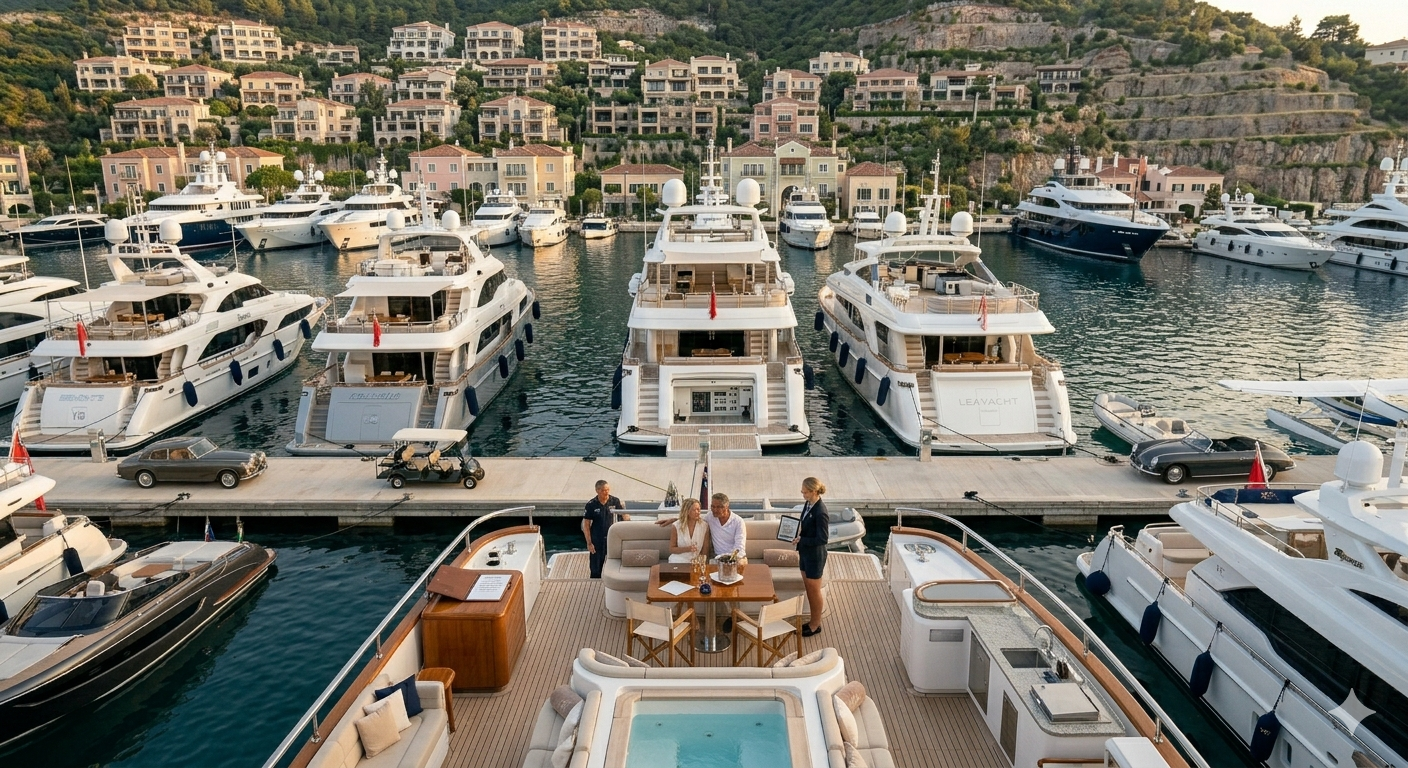
It was an unusually crisp morning in the Mediterranean, the kind of day that mirrored the sparkling sea perfectly. As I stood on the deck of one of the newest eco-friendly yachts at the Monaco Yacht Show, I couldn't help but marvel at how far the industry had come. The sleek vessel beneath my feet was the embodiment of a quiet revolution sweeping through the yachting world—a shift towards sustainability that promised to redefine luxury on the high seas.
The journey towards sustainable yachting is more than just a nod to environmental consciousness—it's a response to the pressing challenges that threaten our oceans and our future. In 2026, the yacht industry finds itself at a pivotal crossroads. With global consumer demand for greener options surging, yacht manufacturers and owners are exploring unprecedented innovations and practices to minimize their ecological footprint.
The Environmental Tide: Challenges Facing the Industry
The yacht industry, like many others, has historically grappled with its ecological impact. From the notoriously high carbon emissions of diesel engines to the non-biodegradable materials used in construction, the traditional yacht has often been an environmental burden. However, as awareness of climate change and ocean pollution heightens, the call for sustainable solutions has become impossible to ignore.
Reports confirm that the maritime sector contributes to nearly 3% of global greenhouse gas emissions, and luxury yachts form a significant part of this equation. These massive vessels, with their lavish amenities and powerful engines, have also raised questions about their long-term sustainability in a world where environmental consciousness is no longer optional but a necessity.
Building a Greener Vessel: Innovations in Materials and Technology
In response to these challenges, the industry has seen a wave of innovation aimed at reducing the environmental impact of yacht construction and operation. One of the most exciting developments is the adoption of alternative materials. Composite materials that are lighter, stronger, and more environmentally friendly are replacing traditional fiberglass and aluminum hulls. Brands like Baltic Yachts and Greenline have begun incorporating flax fibers and bio-resins, significantly reducing their carbon footprint.
Technology also plays a crucial role in this transformation. State-of-the-art hybrid systems and electric propulsion are gaining traction, enabling yachts to cruise silently and cleanly through the water. These advancements not only reduce emissions but also enhance the onboard experience, allowing passengers to enjoy the sea's tranquility without the interruption of engine noise.
Harnessing Nature: The Role of Renewable Energy
Beyond construction, the operation of yachts is also undergoing an eco-friendly makeover. Renewable energy sources are increasingly pivotal in this endeavor. Solar panels adorning the decks and sails of many modern yachts are no longer just a futuristic fantasy. These panels, often integrated seamlessly into the design, provide a sustainable power source that extends battery life and reduces fuel consumption.
Wind turbines and hydrogenerators are also becoming common features. These technologies harness the natural forces of wind and water, converting them into energy that powers everything from navigation systems to luxury amenities onboard. The integration of these renewable sources not only reinforces the yacht’s green credentials but also ensures longer voyages without reliance on fossil fuels.
Leading by Example: Case Studies of Pioneering Manufacturers
Several yacht manufacturers have emerged as leaders in this green transition. For instance, the renowned builder Sunreef Yachts has committed to producing fully electric catamarans, while Dutch yacht maker Feadship has launched "Project 2020," a research initiative aimed at integrating hydrogen fuel cells into their designs.
These companies exemplify a forward-thinking approach that blends luxury with responsibility. By investing in research and development, they are setting new standards for what is possible within the realm of sustainable yachting. Their efforts signal to the rest of the industry that eco-consciousness does not have to compromise luxury—it can enhance it.
A Sea Change in Consumer Behavior
The shift towards sustainability is not driven by manufacturers alone. Today's yacht owners and charter clients are more informed and environmentally conscious than ever. They demand transparency and accountability, wanting assurance that their leisure activities align with their values.
This shift in consumer behavior is influencing purchase decisions significantly. Prospective buyers often inquire about a yacht's environmental credentials before making a commitment. For charter operators, offering eco-friendly options is rapidly becoming a competitive advantage. In essence, sustainability is no longer just an added benefit—it’s an expectation.
Charting the Course Ahead: Future Predictions
As we navigate further into 2026, the trajectory towards sustainable yachting seems set to accelerate. Future vessels will likely be even more integrated with renewable energy technologies, while advancements in AI could optimize route efficiency, minimizing fuel use and emissions.
Moreover, as regulatory frameworks tighten, the industry may see increased collaboration with environmental organizations to develop industry-wide standards for sustainability. These initiatives will likely foster innovation and drive more manufacturers to adopt green practices.
Frequently Asked Questions
What are some sustainable materials used in yacht construction?
Sustainable materials include flax fibers and bio-resins, which offer a greener alternative to traditional fiberglass and aluminum.
How do renewable energy sources benefit yachts?
Renewable energy sources like solar and wind power help reduce reliance on fossil fuels, lower emissions, and extend battery life, making operations more eco-friendly.
Are consumers influencing the yacht industry towards sustainability?
Yes, consumers increasingly demand eco-friendly options, influencing manufacturers and charter operators to adopt sustainable practices.
Conclusion
Standing on that yacht deck in Monaco, I realized that the industry's journey towards sustainability is not just a passing trend—it's a transformation in how we define luxury. As manufacturers and consumers alike embrace greener practices, the future of yachting looks poised to sail into a greener horizon. By leading with innovation and responsibility, the yacht industry can play a pivotal role in preserving our oceans while offering an unforgettable maritime experience. As we continue to explore these waters, one thing is clear: the future of luxury yachting is sustainable.