Navigating the Green Seas: How Climate Change is Shaping Yacht Design and Construction in 2026
Navigating the Green Seas: How Climate Change is Shaping Yacht Design and Construction in 2026
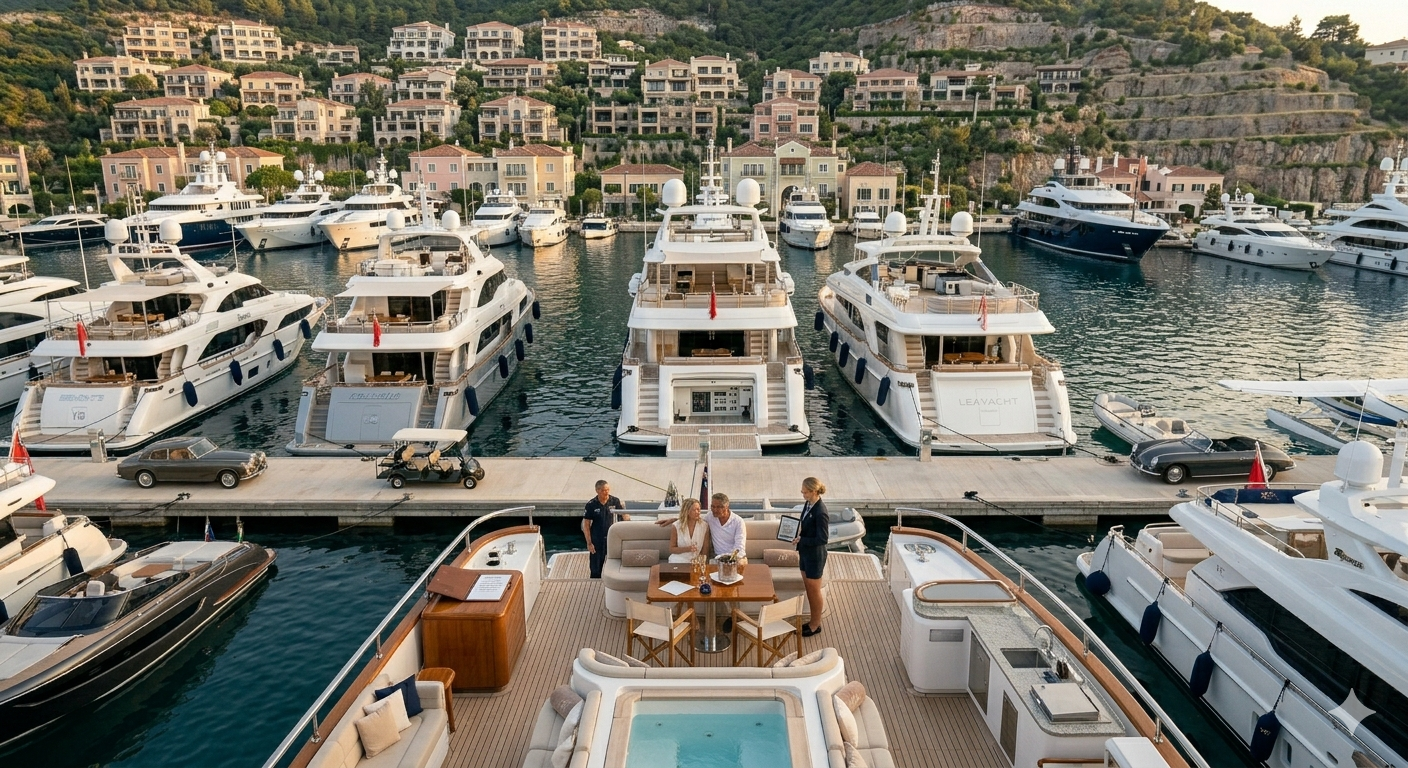
The sun was setting over the bustling marina in Monaco, casting a golden hue on the sleek hulls of the yachts moored along the quay. Among them, a new breed of vessel stood out—not for ostentatious luxury, but for the subtle elegance of its design, a marriage of innovation and sustainability. Visitors paused to admire a yacht whose hull was constructed from recycled composites, its energy derived from a carefully integrated solar array. This scene, once a futuristic vision, now represents the frontier of yacht design in response to the pressing realities of climate change.
The global yachting industry, a symbol of opulence and leisure, is increasingly feeling the waves of climate change. Rising sea levels, shifting regulations, and a growing awareness of environmental impact are fundamentally altering how yachts are designed and constructed. As we sail further into 2026, a confluence of sustainable practices, energy-efficient technologies, and eco-friendly materials are not just preferred—they are imperative.
The Changing Tides of Regulation and Environment
Yachting is no longer immune to the effects of climate change, with marine environments experiencing unprecedented shifts. Acidification of oceans, more frequent and intense storms, and rising sea levels are prompting regulatory bodies worldwide to enforce stricter environmental guidelines. These regulations aim to minimize the ecological footprint of yachts, pushing designers and builders to innovate with sustainability at the forefront.
In Europe, the European Union’s Green Deal has set ambitious targets to reduce carbon emissions. This regulatory framework, coupled with similar initiatives globally, is driving a shift towards more sustainable industry practices. Yacht builders now find themselves at the helm of a significant transformation, where adherence to these standards is not just about compliance but about leading towards a greener future.
Building with the Future in Mind: Sustainable Materials
The construction of these green giants of the sea hinges on the use of sustainable materials. Recycled composites are emerging as a key player, offering a sturdy yet environmentally-friendly alternative to traditional fiberglass. These materials, derived from repurposed plastics and resins, reduce the need for virgin resources, thereby cutting down on the environmental impact from the outset.
Eco-friendly finishes, such as non-toxic paints and biodegradable coatings, further enhance the sustainability of these vessels. These innovations ensure that when a yacht slices through the water, it leaves behind nothing but ripples. The industry is witnessing a paradigm shift as builders like Baltic Yachts and Sunreef Yachts pioneer the use of these materials, setting new standards and expectations.
Harnessing the Energy of the Sun and Sea
Energy-efficient technology is sailing to the forefront of yacht design, with hybrid propulsion systems and solar energy integration leading the charge. Hybrid systems combine traditional combustion engines with electric motors, allowing for fuel-efficient and quieter cruising. This dual approach not only reduces emissions but also enhances the overall experience for those aboard.
Solar panels, seamlessly integrated into the superstructure, harness the power of the sun to provide clean energy, powering everything from navigation systems to onboard amenities. These innovations are not merely practical—they are a testament to the industry’s commitment to preserving the oceans they traverse.
Case Studies: Leading by Example
Several yacht builders are trailblazing this eco-conscious path. Sunreef Yachts, for instance, has recently unveiled its Eco range, which emphasizes solar power, sustainable materials, and energy-efficient systems. By embedding solar cells into the composite structures, these yachts can operate completely emission-free under optimal conditions.
Another notable example is the work of Feadship, whose "Pure" concept yacht showcases a vision for the future. This vessel incorporates a hybrid propulsion system and is built with recyclable materials, offering a blueprint for the next generation of sustainable superyachts.
Sailing Towards a Sustainable Future
The future of yacht design is intrinsically linked to environmental sustainability. Designers are now tasked with ensuring that luxury and opulence do not come at the planet's expense. As the industry navigates this transition, the focus is shifting towards the development of technologies that prioritize the environment.
Emerging trends point towards even greater integration of renewable energy sources and the use of artificial intelligence to optimize routes and energy consumption. These advancements promise not only to lessen the environmental impact but also to enhance the safety and efficiency of maritime travel.
Frequently Asked Questions
How is climate change affecting yacht regulations?
Climate change is prompting stricter regulations worldwide, focusing on reducing emissions and encouraging sustainable practices in yacht construction.
What sustainable materials are becoming popular in yacht construction?
Recycled composites and eco-friendly finishes are gaining popularity, offering an environmentally responsible alternative to traditional materials.
Are there any notable examples of sustainable yachts?
Yes, Sunreef Yachts and Feadship are leading the way with designs that prioritize energy efficiency and sustainable materials, setting new industry standards.
Charting the Course Ahead
As the yachting industry charts its course in the face of climate change, it is buoyed by the winds of innovation and sustainability. The yachts of 2026 are more than just vessels of luxury—they are heralds of an environmental revolution in design and construction. For yacht builders, designers, and enthusiasts alike, the challenge and opportunity lie in embracing these shifts, ensuring that the seas we navigate today remain as pristine as they have always been.