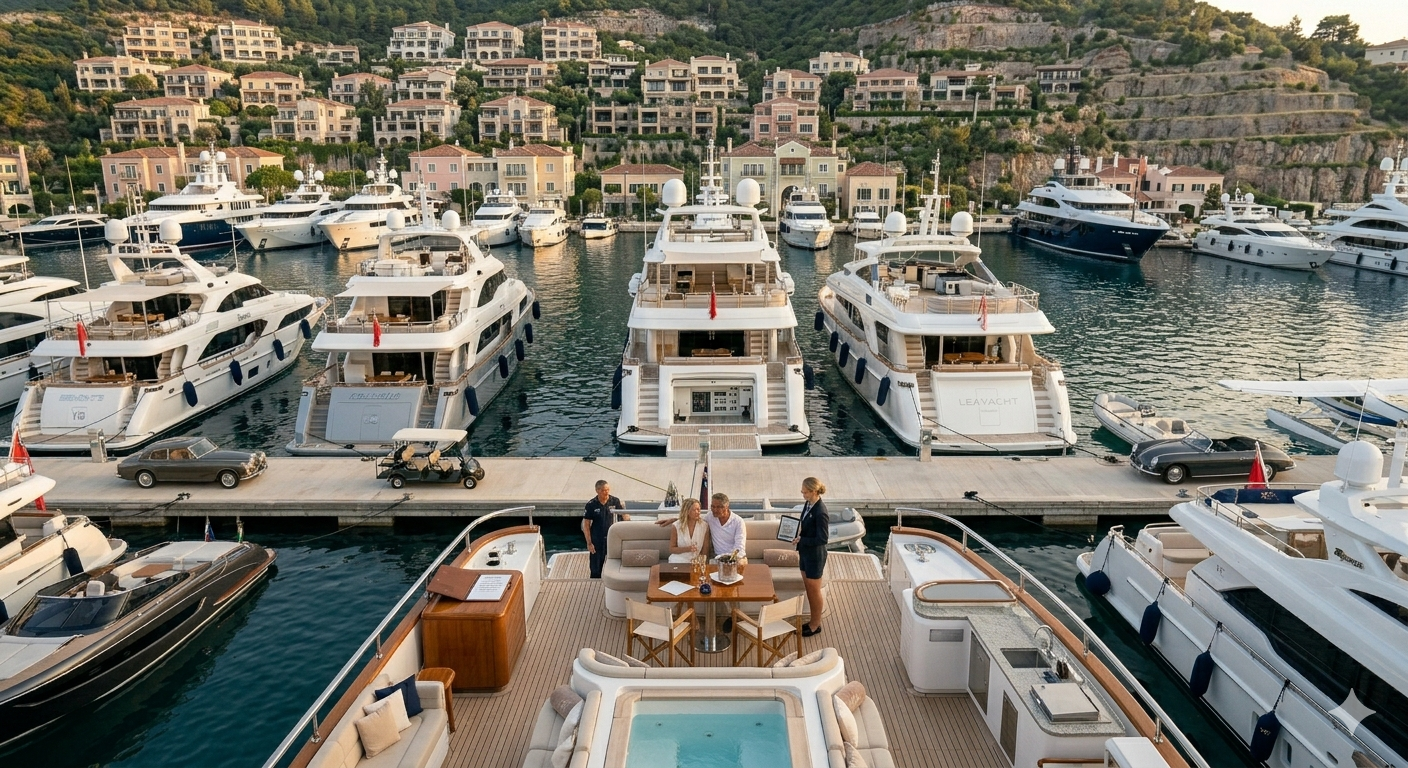
The Future of Yacht Technology: Innovations Shaping the Industry in 2026
The Future of Yacht Technology: Innovations Shaping the Industry in 2026
The sun was setting on the horizon, casting a golden hue over the tranquil sea, as the sleek silhouette of the latest yacht glided effortlessly across the water. Onboard, a small group of yacht enthusiasts gathered around the helm, their eyes wide with wonder as they listened to the captain explain the vessel's state-of-the-art systems. This wasn't just any yacht; it was a floating testament to the innovations that have reshaped the yachting industry in 2026.
For anyone embedded in the world of yachting, the last few years have been nothing short of transformative. Technology has not just crept into the industry but has propelled it into a new era of luxury and efficiency. As a veteran yacht designer remarked at a recent marina unveiling, "What we're seeing today was science fiction just a decade ago." From AI-driven autopilots to sustainable energy solutions, the yachting world is embracing change at an unprecedented pace.
Key Innovations in Yacht Technology
Yacht technology in 2026 is not about incremental upgrades but revolutionary shifts. At the forefront is artificial intelligence (AI) and machine learning, fundamentally altering how yachts are operated. These technologies have brought a new level of automation and safety, making the luxury of yachting more accessible and enjoyable than ever before. For instance, advanced AI-driven navigation systems can now predict weather patterns with remarkable accuracy, rerouting vessels smoothly and efficiently to avoid storms.
Renewable energy integration is another significant advancement shaping the design of modern yachts. Solar panels have become a common sight across the decks, harnessing sunlight to power various onboard systems. Not only does this enhance the sustainability of yachts, but it also provides cleaner operation with minimal environmental impact—a crucial consideration for today's ecologically conscious clientele.
AI and Machine Learning: The New Crew
Imagine a yacht where the captain's every command is anticipated by an onboard system that's always learning. This isn't just a dream but a reality enabled by AI. These systems can manage everything from engine diagnostics to optimizing fuel efficiency. A yacht charter director shared an anecdote about a recent trip where the AI system detected a potential engine issue before any human eye could, scheduling maintenance proactively to avoid disruption.
These technological advances extend beyond onboard mechanics to enhancing life at sea. Machine learning algorithms help personalize the guest experience, adapting lighting, climate, and even entertainment options based on individual preferences. In essence, AI is becoming the invisible crew member, ensuring everything operates seamlessly while guests revel in leisure.
Harnessing the Power of the Sun and Sea
Gone are the days when yachts were seen as gas-guzzling giants of the sea. Today, the industry is leading a green revolution. The integration of renewable energy sources, particularly solar and wind power, is a testament to this shift. Modern yacht designs incorporate photovoltaic cells into their very architecture, ensuring that power is always at hand without relying solely on traditional fuel sources.
A case in point is the "Eclipse" model, showcased in Monaco earlier this year. The yacht's innovative design features extendable solar sails that not only capture the sun's energy but also aid in propulsion. This dual-purpose technology sets a new standard for eco-friendly travel, reducing the carbon footprint of luxury yachting.
Advancements in Navigation and Safety
Safety at sea is paramount, and the latest navigational technologies are making open waters safer than ever. Cutting-edge radar systems and infrared technologies are now standard, capable of detecting potential obstacles miles ahead, even in the most challenging weather conditions. These advancements not only ensure the safety of passengers and crew but also protect marine life by allowing safer navigation through ecologically sensitive areas.
Furthermore, the integration of real-time data analytics into navigation systems allows for adjustments based on the latest maritime conditions. Such technologies are increasingly vital in a world where climate change brings unpredictable weather patterns.
The Role of IoT in Enhancing the Yacht Experience
The Internet of Things (IoT) has infiltrated every aspect of modern life, and yachting is no exception. With IoT, yachts are now interconnected ecosystems where every system and appliance communicates seamlessly. From smart kitchens that prepare meals to wireless networks that ensure guest connectivity, IoT enhances the yacht experience in subtle yet profound ways.
Yacht owners and operators can monitor and control onboard systems remotely, receiving updates on everything from security to energy usage. This not only improves efficiency but also enhances security, giving peace of mind whether docked or at sea.
Frequently Asked Questions
How is AI improving yacht safety?
AI improves safety by providing predictive maintenance alerts and optimizing navigation to avoid hazardous weather conditions, thereby reducing the risk of accidents.
Are solar panels effective on yachts?
Yes, solar panels are highly effective, providing sustainable energy solutions by powering onboard systems, reducing reliance on traditional fuel, and minimizing environmental impact.
Can IoT technology enhance the security of yachts?
Absolutely. IoT systems enable real-time monitoring and alerts for security breaches, allowing for quick responses and ensuring the safety of assets and passengers alike.
Conclusion
The wave of innovation sweeping through the yachting industry promises not only more luxurious experiences but also a more sustainable and seamless way to enjoy the sea. As technology continues to evolve, the yachts of the future will undoubtedly offer experiences we can only begin to imagine today. For those willing to embrace these advancements, the horizon is not just a line dividing sea and sky, but a limitless expanse of possibilities.