The Future of Yacht Sustainability: Innovations and Trends for 2026
The Future of Yacht Sustainability: Innovations and Trends for 2026
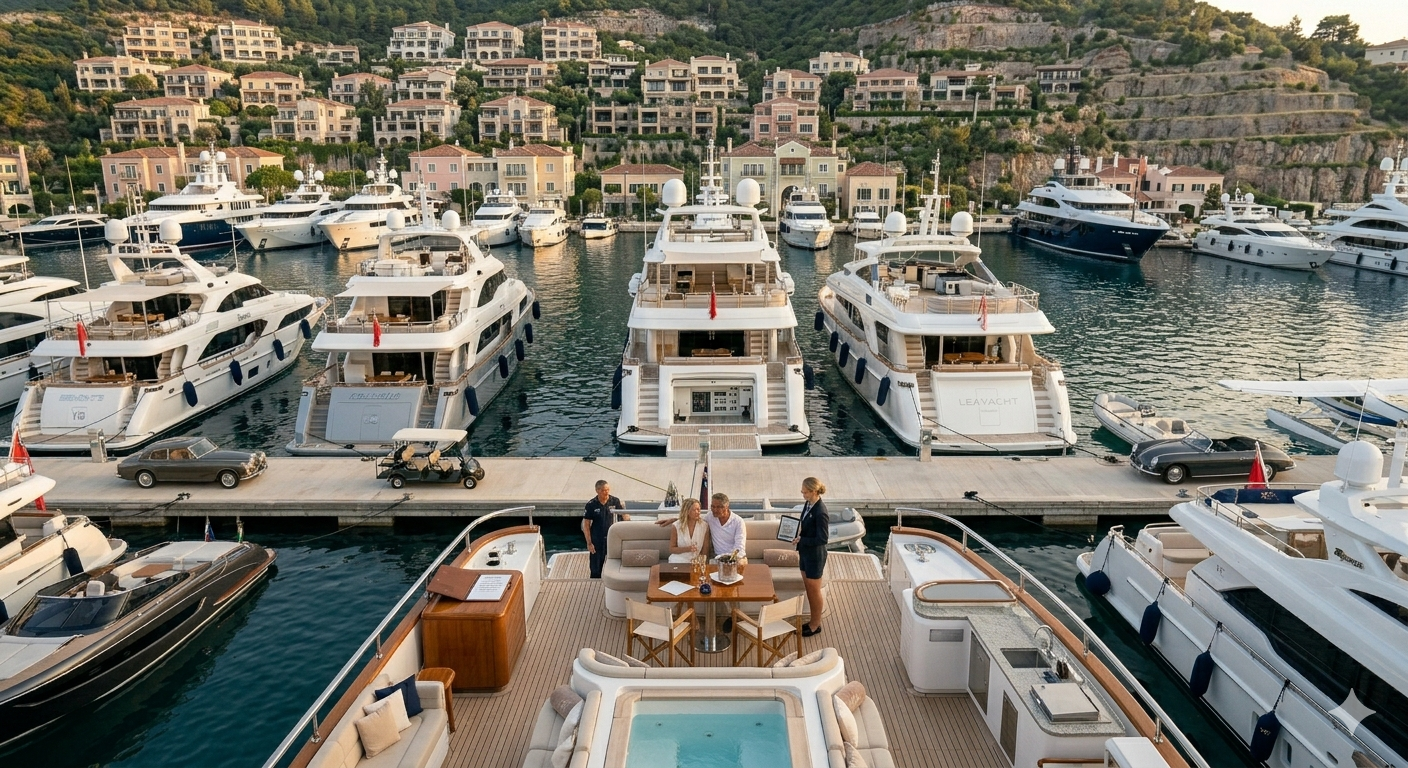
On a crisp summer morning in Monaco, the harbor sparkled with a tranquil yet electrifying vitality. Here, among the prestigious yachts that epitomize luxury and opulence, a growing undercurrent of change was palpable. This scene, much like the evolution of the yachts themselves, speaks volumes about a movement that is transforming the industry from the core outwards. No longer are these floating palaces merely about indulgence. In 2026, they’re about sustainability. This shift is not just a nod to environmental concerns but a full-fledged embrace of innovation, efficiency, and eco-consciousness.
The call for sustainable yachting has never been more pressing. As climate change concerns escalate and global environmental policies tighten, the yachting industry faces increasing pressure to adapt. The question is not just about reducing the carbon footprint but about reimagining luxury travel for an era where ecological responsibility and exquisite experience go hand in hand. Today, let us explore the remarkable strides made in sustainable yachting, the technologies driving this evolution, and the future trends that promise to redefine the seas.
Key Takeaways
- Sustainable materials like recycled composites and bio-based resins are transforming yacht construction.
- Solar panels and wind turbines are now integral to the power systems of modern yachts.
- Leading manufacturers are setting new standards with innovative practices.
- Regulatory changes and consumer demand are pivotal in steering the industry towards sustainability.
- Future yacht designs emphasize eco-friendly operations without compromising luxury.
Crafting Yachts with Conscious Materials
One of the most significant shifts within yacht construction is the adoption of sustainable materials. Picture a shipyard where the scent of freshly cut teak—a traditional favorite—has given way to the subtler aromas of recycled composites and bio-based resins. These new materials aren’t just a technological advancement; they symbolize a philosophical shift within the industry.
Leading yacht builders are pioneering the use of recycled metals and sustainably sourced woods. For instance, Dutch yacht builder Feadship has been instrumental in developing eco-friendly hull materials that blend durability with environmental mindfulness. This isn't merely about substituting one material for another; it's about ensuring that every component of the yacht aligns with sustainable values. These innovations signify a broader commitment to not just environmental standards, but to a renaissance in how luxury is defined.
Harnessing Nature: Energy-Efficient Technologies
Imagine a yacht gliding silently across the azure Mediterranean, its sails unfurled not just to harness the wind, but with solar panels discreetly embedded within the fabric. This is not the future; this is now. Solar power and wind energy integration have become pivotal in reducing the carbon emissions traditionally associated with yachting.
One compelling example is the Sunreef 80 Eco, a luxury catamaran that seamlessly combines solar panels with electric propulsion. It represents a new wave of yachts designed to be self-sufficient, harnessing renewable energy to reduce reliance on fossil fuels. Similarly, advances in lithium battery technology have made it possible to store energy more efficiently, enabling yachts to operate quietly and cleanly in eco-sensitive areas.
Leading the Charge: Manufacturers Pushing for Change
In the realm of sustainable yachting, certain manufacturers stand as beacons of change. They are not just adopting new technologies but redefining the industry narrative. Take, for instance, the pioneering efforts of Oceanco and their innovative refit of yachts to include eco-friendly systems without sacrificing the luxury experience.
Another notable mention is the Italian yacht builder Sanlorenzo, which has pledged a commitment to sustainability by developing hybrid propulsion systems. By integrating these systems, Sanlorenzo yachts can now travel further and cleaner, setting a precedent for the rest of the industry to follow. These companies are not just responding to market demands; they are creating them by setting new standards for what luxury and sustainability should look like.
Regulations and Consumer Demand: A Perfect Storm
The shift towards eco-friendly yachting is not solely driven by the industry’s internal motivations. Global regulations are tightening, with international maritime laws increasingly prioritizing sustainability. The International Maritime Organization (IMO) regulations on emissions, for instance, are galvanizing the industry to innovate.
At the same time, consumer demand is a powerful catalyst. High-net-worth individuals and charter companies are increasingly eco-conscious, seeking vessels that align with their values. This demand is reshaping market offerings and encouraging yacht builders to push the boundaries of what is possible in sustainable luxury travel.
Gazing Forward: Trends to Watch
As we look to the horizon, several trends are emerging that promise to further transform the yachting landscape. The integration of artificial intelligence and machine learning could optimize fuel consumption and route planning, further reducing environmental impact. Furthermore, the development of more efficient hydro-generators and the incorporation of hydrogen fuel cells could revolutionize how yachts are powered.
Future designs will likely see yachts that are not only greener but smarter, integrating technology to enhance sustainability without detracting from the luxury experience. It’s about crafting vessels that respect the environment they inhabit, creating a symbiosis between ocean and vessel that enriches both the experience and the planet.
Frequently Asked Questions
How are sustainable materials impacting yacht construction?
Sustainable materials like recycled composites and bio-based resins are replacing traditional materials, reducing environmental impact and enhancing the durability and performance of yachts.
What renewable energy technologies are being used in modern yachts?
Modern yachts are increasingly integrating solar panels, wind turbines, and advanced battery systems to reduce reliance on fossil fuels and minimize emissions.
How do regulations affect the sustainable yachting industry?
Regulations by bodies such as the IMO drive the industry towards greener solutions by setting emission standards and encouraging sustainable practices.
Conclusion
The future of yachting is bright, not just with luxury but with responsibility. As the industry evolves to meet the demands of a changing world, it promises to create yachts that are both exquisite and eco-friendly. The journey towards sustainable yachting is a testament to human ingenuity and the relentless pursuit of harmony between luxury and nature. As we sail into the future, the commitment to sustainability ensures that the seas—and the magnificent vessels that traverse them—remain as awe-inspiring as ever.