The Future of Yacht Chartering: Navigating the Rise of Sustainable Practices in 2026
The Future of Yacht Chartering: Navigating the Rise of Sustainable Practices in 2026
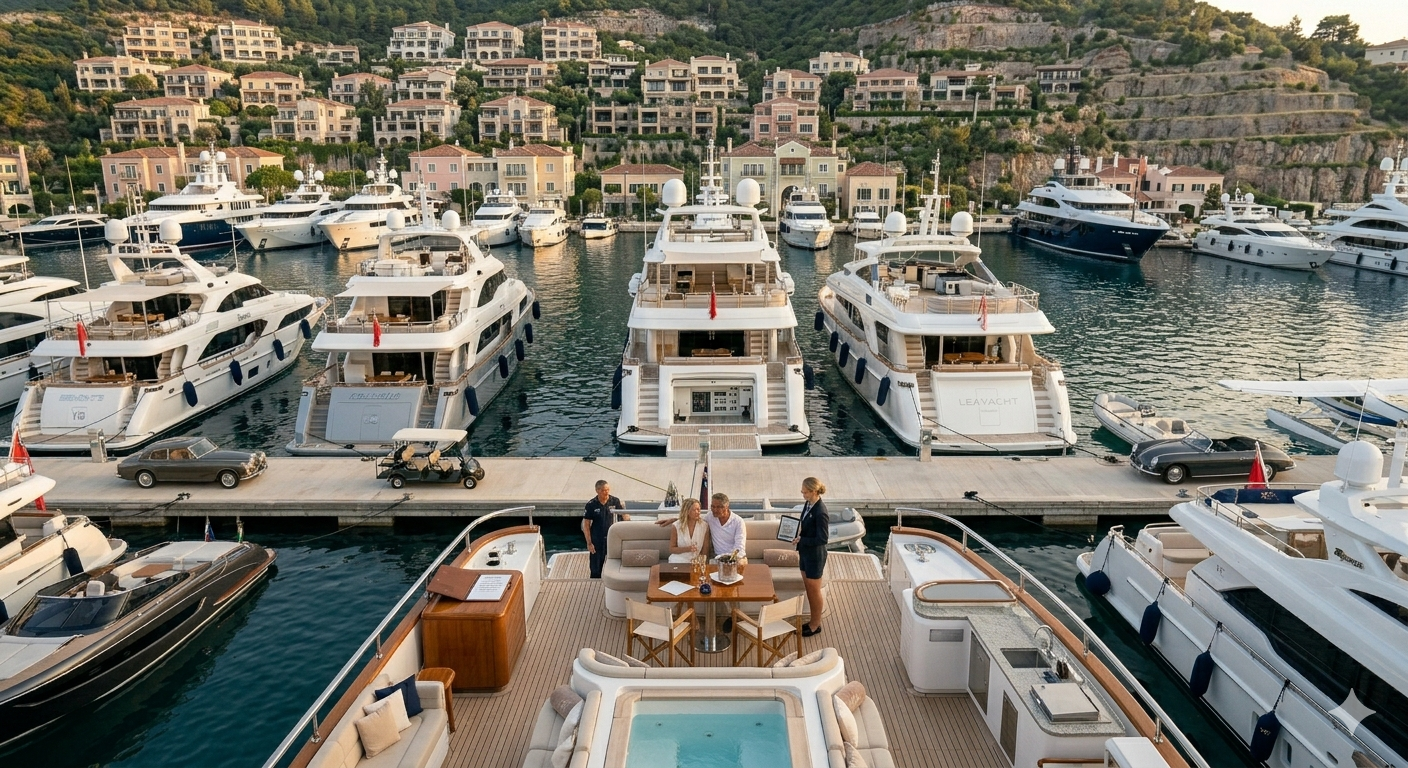
In the quiet marina of Porto Montenegro, a group of luxury travelers steps aboard a gleaming superyacht, not just for its opulence but for how it mirrors their values. The vessel’s solar-paneled deck gleams under the Adriatic sun, and its hybrid engine promises a quieter, cleaner voyage. This scene from 2026 is becoming increasingly common as the yacht charter industry evolves to embrace sustainability, driven by a chorus of voices demanding more responsible travel options.
Charting the Course: Sustainability Trends in Yacht Chartering
The shift towards sustainability in yacht chartering is no longer a niche movement but a sweeping tide, reshaping the industry from the hull up. In recent years, charter operators have noted a marked increase in clients seeking eco-friendly vacations. According to a report from Yachting World, nearly 60% of potential charter clients in 2026 express a preference for yachts with reduced environmental impact.
This change is propelled by broader societal trends. As global awareness of climate change intensifies, luxury travelers are aligning their leisure choices with their environmental values. The demand for sustainable options has prompted yacht manufacturers and charter companies to innovate rapidly, incorporating eco-technologies like hydrogen fuel cells and advanced water purification systems into their fleets.
The Eco-Conscious Charterer: Consumer Preferences Redefined
As the sun sets over the Mediterranean, a charterer sipping champagne on deck discusses what drew them to their yacht of choice. “We wanted to experience the beauty of the ocean without leaving a footprint,” they explain, highlighting a growing sentiment among luxury travelers. Eco-conscious consumers are now a driving force in the market, pushing for charters that offer not just luxury, but also peace of mind.
Boating Mag reports that charter companies are responding with vessels that feature sustainable materials and designs that minimize ecological disturbance. Recyclable hulls, biodegradable onboard amenities, and zero-emission tenders are becoming standard expectations rather than exceptional offerings.
Sailing Towards a Greener Horizon: Charter Companies Leading by Example
Some charter companies stand out as pioneers in this green revolution. Take, for instance, The Sea Change Initiative, a charter company that began transitioning its fleet to hybrid models back in 2023. By 2026, they boast a 100% sustainable fleet, having reduced their carbon emissions by 75% in just three years. Their story exemplifies how dedication to sustainability can transform business models and appeal to a new wave of eco-savvy travelers.
Another notable example is GreenWave Yachts, which has implemented stringent onboard recycling programs and employs advanced waste management systems. Through partnerships with local communities, they ensure that their presence in coastal areas supports rather than harms local ecosystems.
Regulatory Tides: The Impact of Environmental Policies
The rise of sustainability in yacht chartering is not solely consumer-driven. Government regulations and international environmental policies are playing a critical role. New maritime laws in the European Union demand stricter emissions standards and encourage the use of alternative energy sources on new builds, a trend that is mirrored in the United States and parts of Asia.
These regulations are reshaping the industry, pushing companies toward sustainable practices not just as a matter of preference, but necessity. The International Maritime Organization's 2025 carbon intensity targets loom large, prompting companies to invest in research and development of greener technologies.
Looking Ahead: The Future Landscape of Sustainable Yacht Chartering
As we look to the next decade, the trajectory of sustainable practices in yacht chartering seems set to continue its upward climb. Experts predict a future where sustainability is not a market differentiator but a baseline expectation. The fusion of luxury and environmental stewardship will be the hallmark of successful charter businesses.
Innovations on the horizon include fully autonomous vessels powered by clean energy, utilizing AI to optimize routes for energy efficiency and minimize environmental impact. The future promises not just greener yachts but smarter, more responsive ones, capable of providing unparalleled luxury without compromising the health of our oceans.
Frequently Asked Questions
What are some examples of eco-friendly technologies in yachts?
Eco-friendly yachts often use hybrid engines, solar panels, and advanced waste management systems. They may also employ materials that are either biodegradable or recyclable.
How are regulations affecting the yacht charter industry?
New regulations from bodies like the International Maritime Organization are requiring stricter emissions controls and encouraging the adoption of alternative energy solutions, pushing the industry toward sustainability.
What should travelers consider when selecting a sustainable yacht charter?
Travelers should look for yachts with eco-friendly certifications, inquire about fuel efficiency, and check if the company employs sustainable practices like recycling and waste management.
Conclusion
The future of yacht chartering in 2026 and beyond is undeniably interwoven with the threads of sustainability. As the world collectively faces the challenges of climate change, the yacht industry finds itself at a pivotal juncture, transforming not just for profit, but for planet. Embracing these changes promises not only a cleaner ocean but also a richer charter experience—one that aligns luxury with legacy, ensuring that the splendor of maritime travel endures for generations to come. This evolution holds a promise: the seas we cherish today will remain vibrant and alive for tomorrow's explorers.