The Evolution of Yacht Chartering: Embracing Technology and Sustainability in 2026
The Evolution of Yacht Chartering: Embracing Technology and Sustainability in 2026
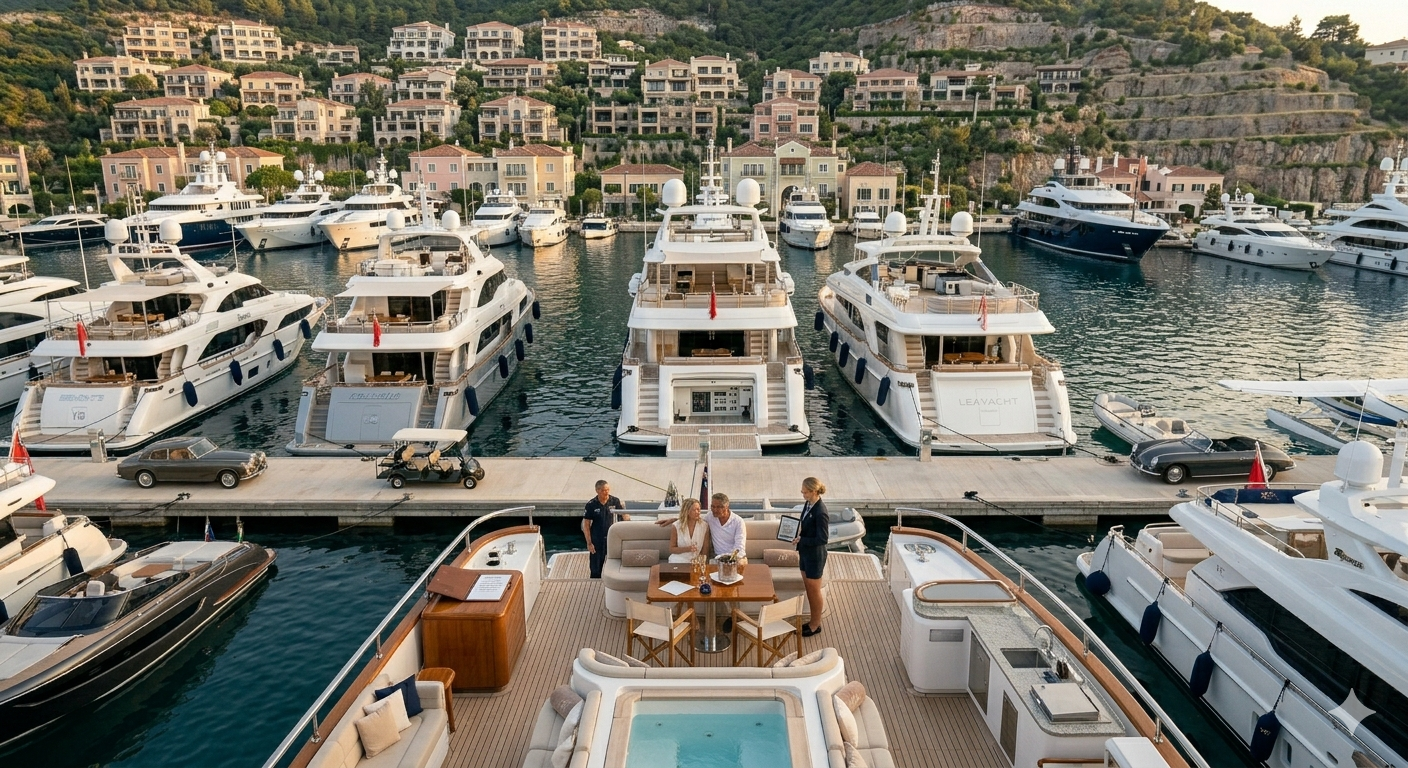
The Mediterranean sun was just beginning its descent, painting the sky with hues of oranges and pinks, as a sleek, eco-friendly yacht glided silently into the harbor of Monaco. Aboard, a group of friends toasted the end of a perfect day at sea, one made seamless by cutting-edge technology and sustainable practices. For the yacht charter industry, scenes like these are increasingly common in 2026—a year marked by the dual revolutions of technology and sustainability.
Yacht chartering has historically been synonymous with luxury and exclusivity, but as the world changes, so too do the demands and expectations of its clientele. Today's charter guests seek more than just opulence; they are looking for experiences that are both technologically advanced and environmentally conscious. This evolution reflects broader societal shifts and innovations within the industry, which have changed the face of yacht chartering entirely.
Riding the Wave of Technological Advancements
The integration of advanced technologies in yacht chartering has transformed the way clients interact with their maritime adventures. Booking a yacht is no longer a process fraught with complexity and uncertainty. Instead, it's a streamlined experience facilitated by sophisticated digital platforms. Clients can now view virtual tours of potential charters, use AI to tailor their itineraries, and even employ blockchain technology to secure transparent, tamper-proof transactions.
Onboard, the use of technology further enhances the luxury experience. From state-of-the-art entertainment systems to smart home features that allow guests to control lighting and climate with a simple voice command, technology ensures that comfort and convenience are at the forefront. Yachts are now equipped with advanced navigation and safety systems, providing peace of mind to both charter guests and owners alike.
Anchoring Sustainability at the Heart of Chartering
As the seas face increasing environmental pressures, the yacht industry has felt the imperative to evolve sustainably. The demand for eco-friendly yachts is growing, driven by a clientele that values environmental stewardship as much as they do luxury. Charter companies are responding with innovative solutions, such as hybrid propulsion systems that reduce emissions and quieter electric engines that lessen noise pollution.
Moreover, green certifications have become a badge of honor and a marketing advantage. These certifications not only assure clients of a yacht's eco-credentials but also promote the adoption of sustainable practices industry-wide. Additionally, many chartering companies are investing in initiatives like compensatory carbon offset programs and partnerships with marine conservation organizations, showcasing their commitment to preserving the oceans they operate in.
Consumer Preferences Steering the Course
The modern yacht charter client is discerning, tech-savvy, and environmentally conscious. This shift in consumer preferences is reshaping the industry. Millennials and Gen Z, who are poised to become the dominant demographic in luxury travel, prioritize experiences that align with their values. They are drawn to charters that offer not only the height of luxury but also a sense of ethical responsibility.
Yacht charter companies are adapting by integrating these preferences into their offerings, ensuring that every aspect of a charter—from the materials used in yacht construction to the operations on board—reflects a sustainable ethos. This alignment not only attracts forward-thinking clients but also fosters a culture of innovation and responsibility within the industry.
Leading the Charter Fleet: Case Studies in Innovation
Several yacht charter companies have distinguished themselves as pioneers in this new era. One notable example is Oceanic Yachting, a company that has embraced solar technology to power its fleet, significantly reducing its carbon footprint. Equally impressive is Blue Horizon Charters, which has introduced a fleet of emission-free yachts that rely on renewable energy sources.
These companies are not just leading by example; they are setting new standards for the industry. Their success stories prove that investing in technology and sustainability can enhance profitability while contributing positively to the environment—a win-win scenario that others are beginning to follow.
Frequently Asked Questions
How has technology improved the yacht charter experience?
Technology has streamlined the booking process, enhanced onboard amenities, and improved safety through advanced navigation systems.
What sustainable practices are common in yacht chartering?
Common practices include the use of eco-friendly yachts, hybrid propulsion systems, green certifications, and partnerships with conservation organizations.
Why are consumer preferences shifting in the yacht charter market?
Consumers, especially younger generations, are increasingly prioritizing sustainability and technology, seeking experiences that align with their values.
Setting Sail Towards a New Horizon
As we navigate through 2026, the yacht charter industry stands at the intersection of luxury, technology, and sustainability. This convergence offers not just an enriched experience for clientele, but also a pathway to a more responsible and conscious yachting culture. Whether you're an industry professional, a seasoned sailor, or a newcomer intrigued by the possibilities, the evolution of yacht chartering is a testament to the industry's adaptability and foresight.
Looking forward, the continued embrace of technology and sustainable practices will likely redefine yachting once again, steering us toward a future where luxury and responsibility sail seamlessly together.