The Evolution of Yacht Ownership Models: Trends and Innovations for 2026
The Evolution of Yacht Ownership Models: Trends and Innovations for 2026
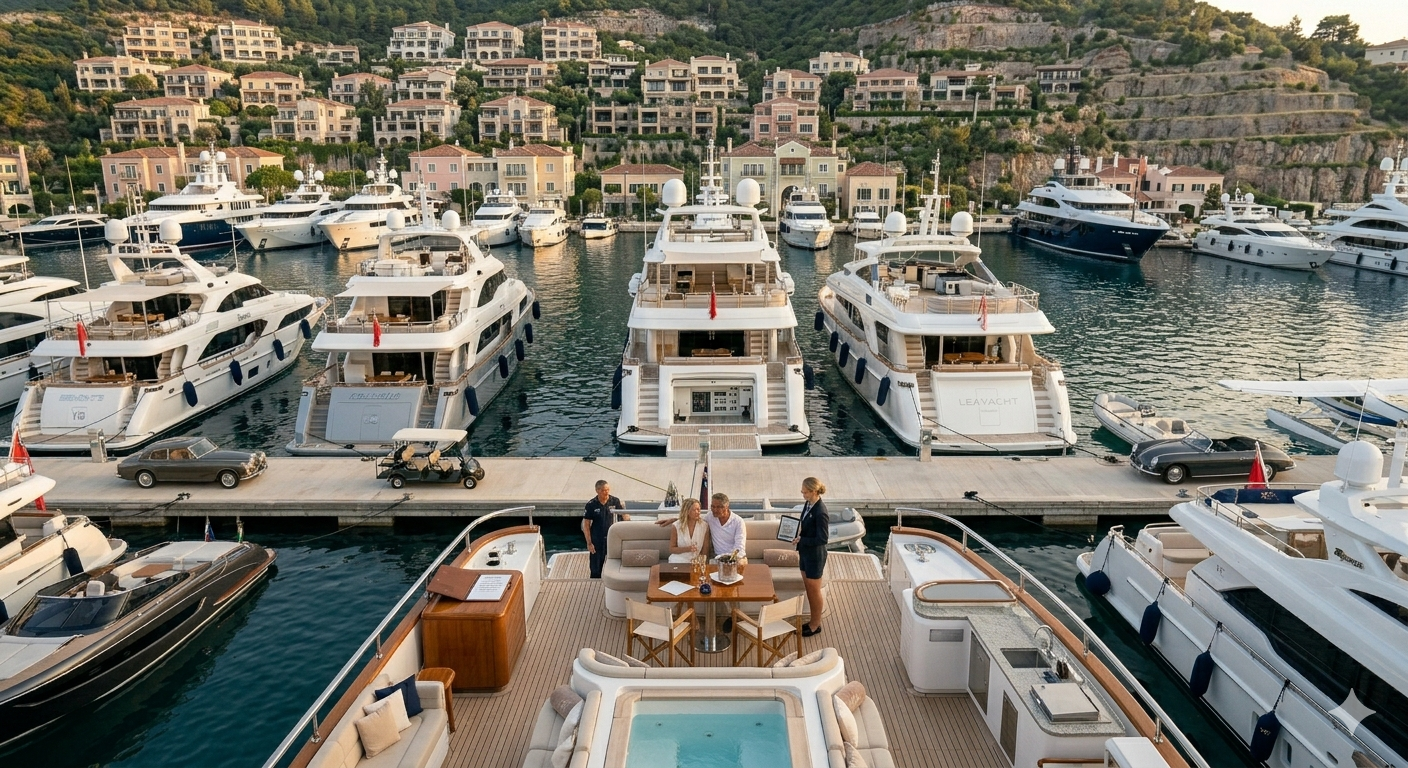
On a sunlit afternoon in the summer of 2026, Mark and Lisa stood on the gleaming deck of their newly acquired yacht, admiring the horizon over the Mediterranean. Their route to ownership had been anything but traditional, emblematic of a sea change in yachting preferences. Just a decade ago, such a scene might have involved a hefty purchase price and long-term mooring fees, but today, Mark and Lisa were beneficiaries of an evolution in yacht ownership models that has made the luxury of the open sea more accessible and sustainable than ever before.
From Traditional to Transformative
Historically, yacht ownership was a straightforward affair: you either bought a vessel outright or settled for sailing on chartered yachts. Ownership came with prestige but also with significant responsibilities—maintenance, staffing, and the not-so-insignificant cost of dockage that could stretch into the tens of thousands annually. These demands often kept yachts idly moored, with owners using them for only a few weeks per year. The allure of exclusivity remained strong, but as the world changed, so did the expectations and realities of luxury consumption.
The Rise of Sharing and Fractional Ownership
Today, however, the paradigm is shifting. Inspired by the broader sharing economy, yacht ownership is transforming through the rise of fractional ownership and yacht sharing platforms. These models allow multiple owners to share the costs and responsibilities, making yachting more attainable. Companies like YachtLife and Boatsetter have democratized access by offering flexible usage without the burdens of full ownership. This change is not only economic but also cultural, reflecting a move towards experiences over possessions.
Mark and Lisa, for instance, opted for a fractional ownership plan. With this, they secured time on a yacht without the full financial burden, and the process was as seamless as booking a vacation rental. They could choose their weeks, and when not in use, their share of the yacht was managed by professionals ensuring it remained in peak condition. For many, this model transforms an idle asset into an active investment, enhancing both convenience and value.
Technology: A Sea Change in Experience
The integration of technology into yacht management has further revolutionized ownership experiences. Virtual tours have become standard practice in yacht sales and rentals, allowing prospective buyers to explore vessels in detail before ever setting foot on board. Meanwhile, management apps provide real-time updates on yacht maintenance, availability, and scheduling, all from the comfort of a smartphone. These advancements make ownership more interactive and less cumbersome, attracting a younger, tech-savvy clientele.
Sailing Towards Sustainability
As the world grapples with environmental challenges, the yachting industry is not immune to the call for sustainability. Eco-friendly designs and practices are increasingly part of the ownership conversation. Hybrid propulsion systems, solar panels, and sustainable materials are becoming standard amidst growing consumer demand for greener options. Yachts are being designed with reduced carbon footprints and enhanced energy efficiency, appealing not just to the environmentally conscious but also to those who see sustainability as a future-proofing measure.
The Mediterranean Sea, where Mark and Lisa now find themselves, is a testament to these trends. Ports are adapting, offering eco-friendly services such as electric hookups and waste treatment facilities. Owners are encouraged to adopt cleaner practices, a shift reflective of a broader societal change towards sustainability in luxury.
Charting the Future of Yacht Ownership
Looking ahead, the next decade promises further evolutions in yacht ownership. Experts predict an increase in digital platforms that facilitate more flexible ownership models, akin to the way Airbnb transformed vacation rentals. As technology continues to evolve, so too will the capabilities of yachts, with autonomous sailing systems and even smarter management apps on the horizon.
For Mark and Lisa, their journey is just beginning, a microcosm of the broader transformation sweeping through the yachting world. Their decision to embrace new ownership models reflects a blend of tradition and innovation, a nod to the past while setting sail for the future.
Frequently Asked Questions
What is fractional yacht ownership?
Fractional yacht ownership allows multiple individuals to share ownership of a yacht, dividing the costs and responsibilities among them. This model offers flexibility and reduced financial burden.
How does technology impact yacht ownership?
Technology enhances the ownership experience through tools like virtual tours and management apps, simplifying maintenance and scheduling while attracting a tech-savvy audience.
What are some sustainable practices in yacht ownership?
Sustainable yacht ownership includes using hybrid propulsion systems, solar panels, and eco-friendly materials, as well as ports offering electric hookups and waste treatment facilities.
Conclusion
As the sun sets over the Mediterranean, Mark and Lisa’s yacht glides smoothly into the harbor, a symbol of how far yacht ownership has come. The industry’s evolution reflects broader societal shifts towards shared economies, technological integration, and sustainability. The future of yachting lies not just in owning a piece of luxury but in sharing an experience that respects both our desires and the environment. The waves of change are here, and they promise a dynamic, inclusive future for the world of yachting.